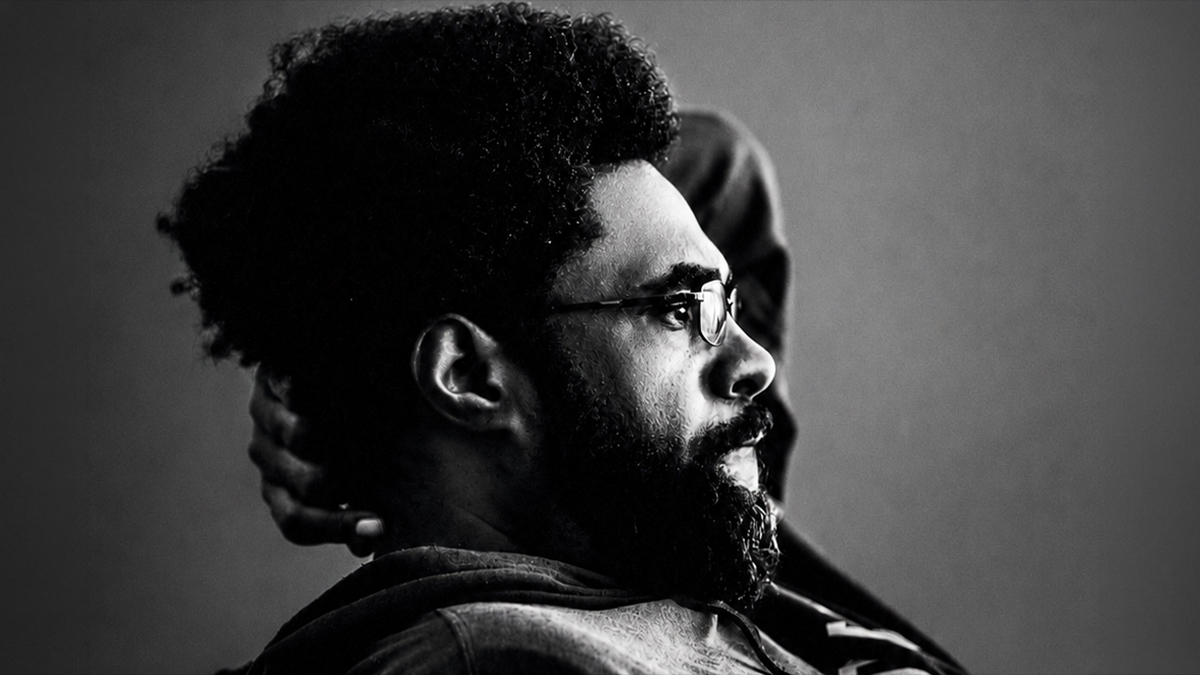
Retro United, Inc. founder Sossie believes music should have no boundaries. Inspired by personal experiences and a lifelong connection to music, he created the company to bring different genres and styles together under one vision: “all genres, one network.”
In this interview, Sossie discusses the inspiration behind Retro United, the value of independence and music ownership, and his use of AI-assisted tools in the creative process. He also addresses challenges facing independent artists and explains why emotional connection remains central to his music.
What inspired you to start Retro United, Inc., and why did you feel now was the right time?
Well, there are two parts to that question. The first reason I felt it was time to start was because of what recently happened in my family, where somebody experienced a stroke. Certain things will definitely change you and give you a different perspective on things. So that was definitely the spark. But looking back, my love of music was an escape. Everything that I’ve learned about music, I just wrapped it into one.
What does the phrase “All Genres, One Network” mean to you and the company?
“All Genres, One Network” means that there are no barriers when it comes to music, and it all comes from one source. Everything that’s been displayed on my page or publicly has all been originally from me.
Why is it important to you to create music across so many different genres and styles?
It’s important to show appreciation for music in its entirety, not just sit up here and look at one genre and think that’s all that music is. There are so many different forms of it, so many different ways of expressing yourself. I don’t want to think that it’s going to be one-dimensional. Let’s just go for everything.
How would you describe the Retro United sound and overall creative identity to someone hearing it for the first time?
I would describe it as beautifully chaotic in some ways, but more so as identifying different emotions that we have inside of us that we don’t always show. There are a lot of different songs that I grew up on, a lot of songs that changed periods in history. A lot of times, the message in the song was something that people were too scared to even say or to share how they felt on their own because they would feel like their own identity would become the focus instead of the music.
How did you decide to build your own independent company instead of waiting for opportunities from the traditional music industry?
I am a Gemini. I was raised by a Scorpio. My sister’s a Sagittarius. There’s nothing in me that’s going to wait. I’m sorry. I can’t wait for anybody else to do something that I know I can do myself. This is my dream, not somebody else’s.
How do you use AI-assisted tools in your songwriting and production process without losing the human creative touch?
Sometimes I use AI when it comes to how I would like the vocals to be projected. I’m definitely not somebody who’s going to get behind the mic and sing it and think that’s enough. With new technology and AI, it’s a lot easier to sit up here and say, “I’m going to need a chest belt, tenor, male vocal, this, this, and this,” just like a conductor would do. I’m just sitting back conducting the orchestra.
Occasionally, I’ll use AI. An example I’ve seen is Timbaland sit in the studio and bring what he has in his brain out in different forms. Justin Bieber had a string section in the studio with him. What he had in his head, he described to them, and they were able to produce exactly what he was thinking. AI is just a paintbrush.
What do you say about artists who are less concerned with AI being used as an assistant and more concerned about people relying completely on AI to create a song?
I can totally understand where they’re coming from with their frustration, especially when you think about the fact that even though they’re already in the industry, they still have to fight for their place in order to be able to drop music. A lot of people have two or three albums and aren’t able to do anything with them because they’re captive to certain obligations. When they see somebody else able to go online or bring what they have to the studio from FL Studio, Pro Tools, or whatever DAW they use, that would be disheartening—to see somebody able to drop the same kind of music, better, worse, or whatever, and have that ability without the same obligation.
But on the flip side, if they look at it as, instead of us wasting all this time in the studio having all these different writing camps and everything, if we’re able to have somebody produce the song fully—lyrics, production, everything complete—and all we have to do is give it the human feel, that might be a different consideration for them to ponder. Maybe, maybe not. But everything changes.
We had Auto-Tune. We had different ways of making music—Fruity Loops, samplers, all that. All that stuff was controversial when it first came out, and now it has become the accepted norm.
When you’re creating a song, what do you focus on to make sure it connects emotionally with listeners?
If it doesn’t give the feeling—not just sound like it could compete with what’s on the radio—then it doesn’t work. The feeling matters most. It has to make you want to play it back, save it, add it to your playlist, or play it for somebody you care for. It starts etching itself in the back of your mind with different memories and shit that ain’t even worth sharing with anybody.
How important is owning your music and your catalog while maintaining creative direction as an independent artist and producer?
It’s important, but at the same time, I understand that pieces of the pie have to go elsewhere in order for certain things to really happen. I’m cool with that. That’s just like street terms: everybody has to eat. I just own the kitchen.
What are some of the biggest lessons you’ve learned from creating music and building your career independently?
Don’t wait on anyone else. Don’t trust a smile, especially if somebody sees what you have. Not everything is genuine. Always make sure that you have your paperwork right. And never forget the reason why you did it before anyone else noticed the shit.
Looking ahead, what do you hope Retro United becomes, and what kind of impact do you want it to have on artists and listeners?
The impact that I would like it to have on listeners is that they can actually relate and have a different thought process than what’s usually being put on the radio or played in the club. Everything has its time and place, but it’s time to have a different area of thought and have that expressed through music.
Be’n Original