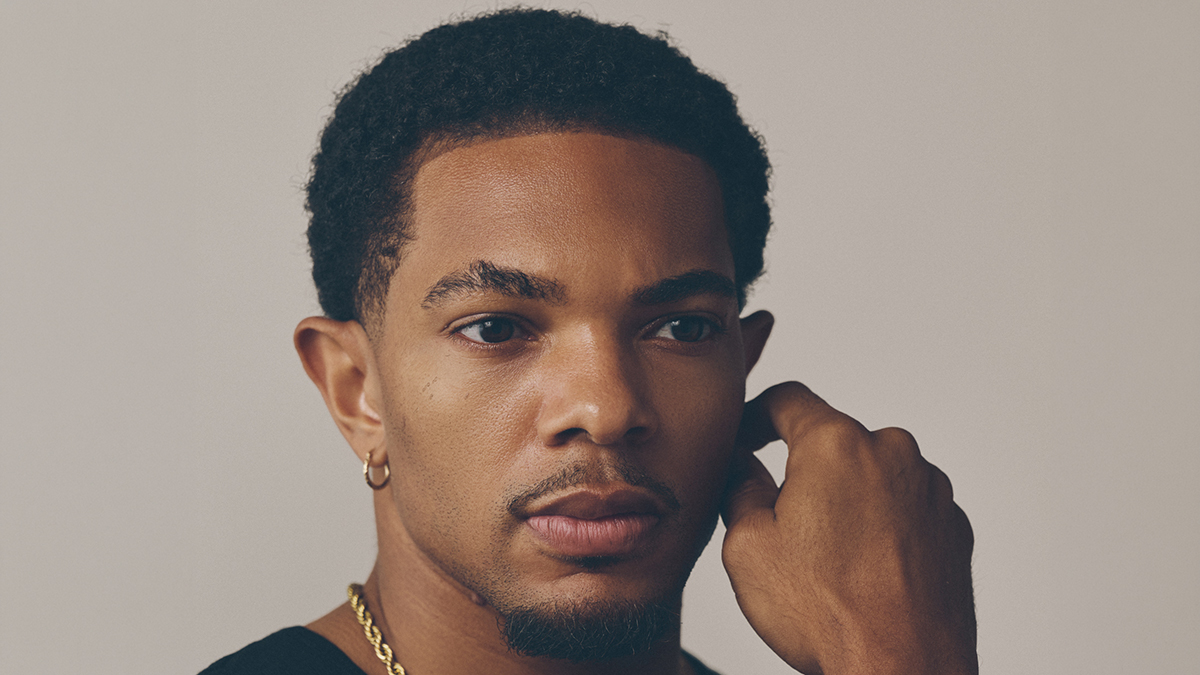
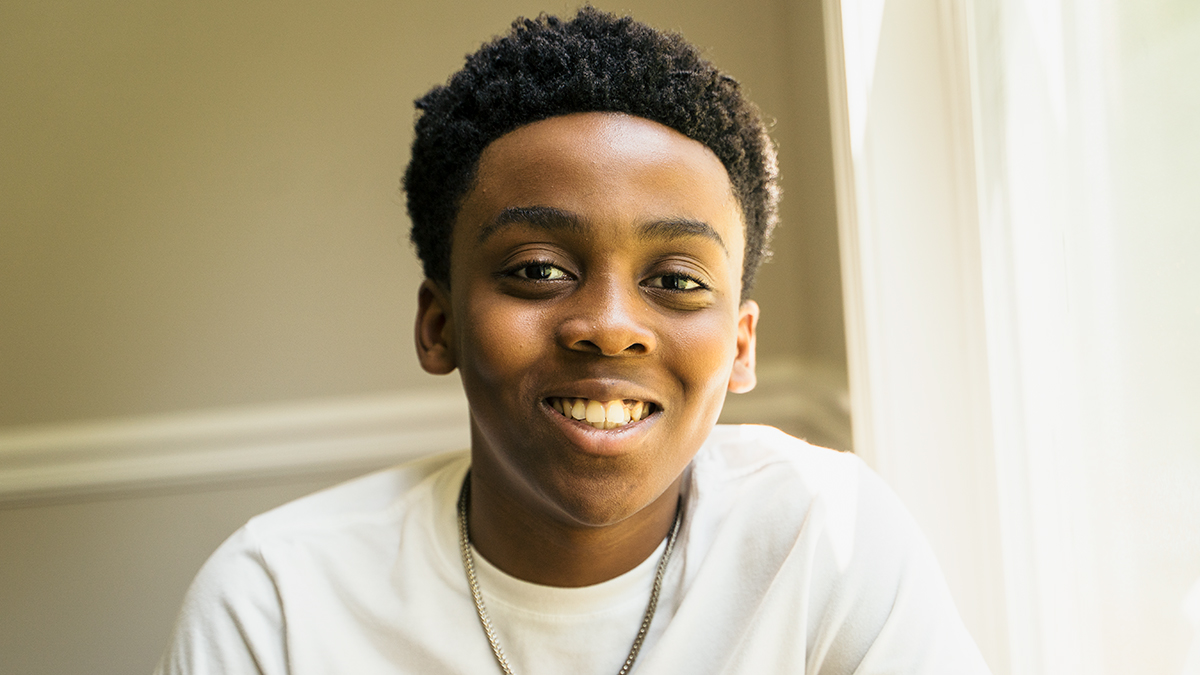
Anthony B. Jenkins has rapidly established himself as one of Hollywood’s most exciting and promising young talents, garnering significant attention for his ability to infuse honesty and profound emotional depth into a diverse array of roles, showcasing his versatility and commitment to his craft.
On “The Chi,“ Devonte arrives carrying a lot of emotional baggage and family challenges. What was the key to portraying him?
I would say the key was understanding that Devonte is a misunderstood kid. He just came to his father’s house after being with his mom in Pittsburgh without his dad, and that’s a big change. He’s in a new environment, and I had to think about how a kid would adapt to something like that.
You’ve been drawn to stories about growth and development. How did Devonte’s journey resonate with you personally, and what do you hope viewers take away from his character arc?
I want viewers to know that they can be themselves. That’s what Devonte is learning to do. He’s in a new environment, and at first he’s not really being himself because his dad hasn’t been there for him. Then he meets Keisha and he’s wondering, “Who is she?” So he starts acting tough, and it kind of messes things up for him. I just want people to know it’s okay to be themselves.
What was it like building that father-son dynamic with Jacob Latimore?
Being able to work with Mr. Jacob was such an honor because he was so welcoming. On my first day, I was kind of nervous, but he helped calm my nerves. By the second day, our chemistry was really strong, and we were ready to go. We were like, “Let’s get this done.”
Let’s talk about They Fight. You trained extensively in boxing before filming. What was the most demanding part of that preparation?
We did a lot of sparring and a lot of running. I was on the treadmill all the time. I was getting my body in shape and thinking, “Oh, shoot, Dad. I’m about to get out here looking buff.”
I remember I had shoes that were too small, and I was running so much that I bruised my toe. Then my dad got me bigger shoes, and I was like, “Dad, these feel so much better.” We did a lot of training, and I think it really helped the movie.
You researched the real people who inspired They Fight and even worked with them on set. Was there a particular lesson from the real Peanut that stayed with you throughout filming?
He talked to me about consistency. He told me to stay consistent and never give up. He was the underdog. He was a smaller kid, but he showed everybody that he could still be great and become a champion.
Mentorship plays a major role in the lives of young athletes. How has mentorship shaped your own career, both from family members and actors you’ve worked with?
Both my family and the actors I’ve worked with have taught me professionalism. They taught me to get to set on time, stay focused, stay locked in, read my script, and always remember that I can be myself on set.
You’ve shared scenes with performers like André Holland and Wendell Pierce. What’s the most valuable piece of advice they’ve given you so far?
I remember one day on the set of They Fight, they were talking to me about acting. I can’t remember exactly what they said, but they told me that I was special and that what I was doing was really good. They encouraged me to keep going.
Like Peanut said, they told me to stay consistent, be myself, not let people boss me around, and stay calm.
Your recent projects include drama, sports films, horror, and major television series. How do you keep each character separate and avoid bringing elements from one role into another?
I remember I was filming one project while preparing for another audition and getting ready for a movie. My dad asked, “You ready to go over it?” and I said, “Yeah, but let me get into Devonte first.”
Sometimes I get locked into one character, but my acting coach taught me that it’s about life, not lines. I don’t just say the words. I have to express them and put myself into the character. That’s how I make it feel real. I live the life of each character. And it comes across on screen.
I believed you as Devonte. I had just watched the episode and thought, “That boy is bad.” When they asked if I wanted to interview you, I said, “Absolutely.” Who brings a gun to school on the first day? It was a powerful performance. You’ve appeared in projects like “Stranger Things,” The Deliverance, Never Let Go, “The Chi,” and They Fight. How has your understanding of storytelling changed since your first role?
It’s changed because of the actors I work with and the writers behind the projects. Everybody has a different way of writing, acting, and approaching scenes. I feel like I take a piece from every experience, and it expands my creativity and my mindset after every project.
As you continue taking on larger projects and reaching new audiences, what kinds of stories, characters, and challenges would you like to explore next?
I really like stories about growth and development. I love underdog stories, second-chance stories, and action. I’d love to do more action projects and maybe throw a few punches on screen.
I love it. What do you do when you’re off-set and just being yourself? What do you do for fun?
I’m a gamer. On my days off, I’m usually playing with my friends. I play NBA 2K, Madden, College Football, and MLB The Show. What’s funny is that none of my friends really care about the acting stuff. I’ll be like, “Yeah, I’m in Los Angeles,” and they’re like, “We don’t care. Get on the game, bro.” That’s what I like about them. They’re real friends. They’re not fans. They’re just my friends.
How do you balance growing fame while still maintaining a normal childhood?
I stay grounded through my family and friends. I don’t really bring my characters into my personal life. I stay faithful to God. My dad jokes with me sometimes. He’ll say, “AJ, girls are going to be chasing after you.” And I’m like, “Dad, no they’re not.”
But honestly, my friends mostly care about whether I’m getting online to play the game. They don’t really care about the acting stuff, and I like that.
That’s a blessing. I love your energy, and I love what you’re doing. You’re incredibly mature for your age in the way you carry yourself both on and off set. I’m glad I got the chance to speak with you today. Thank you for your time.
Thank you for having me. I’m very appreciative. I’d also like to add that my dad is a big reason I started acting. He’s always telling me that I’m a good actor, but more importantly, that I’m a good person. He’s really the main reason I started my acting career, and I’m very thankful for him.
Be’n Original