September appears to be a month marked by pivotal moments. September 1, 2016, is one example.
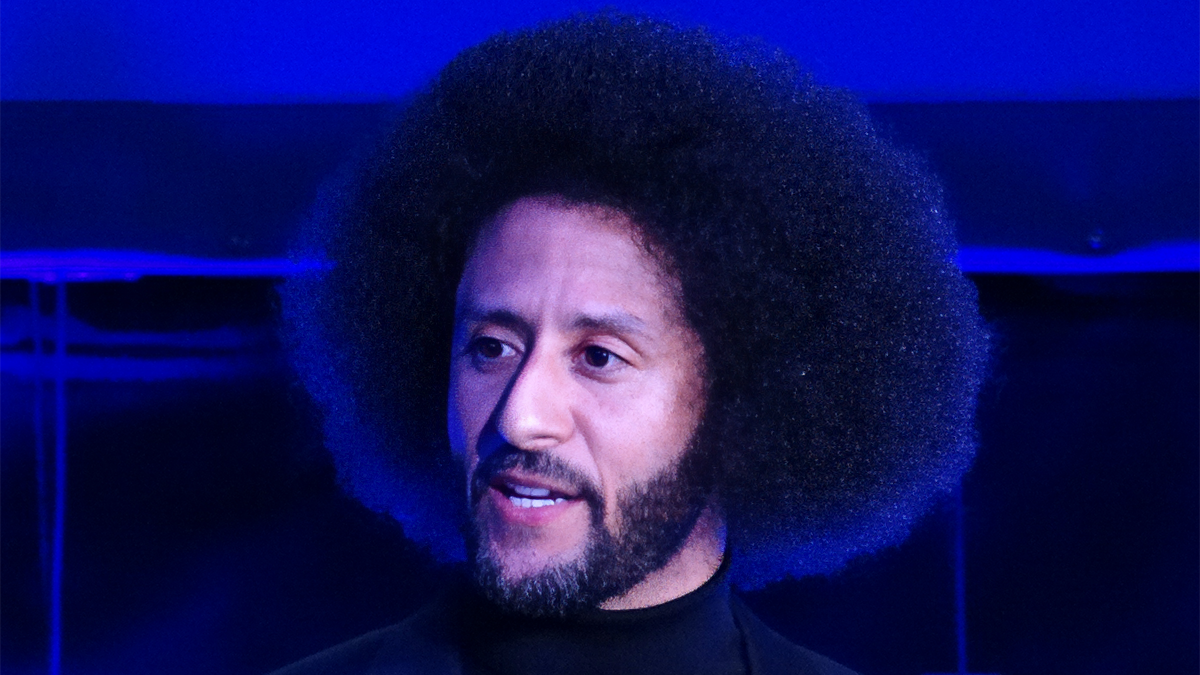
Ten years ago, Colin Kaepernick made a decision that would alter the course of his career. Amid national outrage over police brutality and racial injustice, the San Francisco 49ers quarterback kneeled during the national anthem. His demonstration was not intended as a protest against the anthem itself. Kaepernick was protesting the mistreatment of Black people and other people of color.
Kaepernick has not played in the NFL since the 2016 season and maintains that he was blackballed because of his activism. He and fellow protester Eric Reid later filed collusion grievances against the league, which were settled confidentially in 2019.
Still, whether Kaepernick was denied every opportunity to return is more complicated.
While Kaepernick did not publicly lose major corporate partnerships, widespread support was not exactly lining up behind him. Nike was a notable exception. The company maintained its relationship with Kaepernick and later made him the face of its 2018 “Just Do It” campaign.
Then came another opportunity. In November 2019, the NFL arranged a private workout for Kaepernick at the Atlanta Falcons’ practice facility. All 32 teams were invited, and the league said representatives from 25 teams were prepared to attend, with footage distributed to every team.
Kaepernick’s representatives objected to the league’s liability waiver, the private nature of the workout, and how the NFL would control the footage. Shortly before the session, Kaepernick moved it to Charles R. Drew High School in Riverdale, Georgia, where media could attend and record independently.
On one hand, Kaepernick’s camp argued that the move was necessary to ensure transparency. On the other, the last-minute change meant the workout was no longer taking place where NFL representatives had gathered. With the new location roughly 60 miles away, only about seven or eight teams attended.
That leaves room for two interpretations. Supporters saw Kaepernick protecting himself from a process he did not trust. Critics saw him changing the terms of an opportunity he had spent years seeking.
Jay-Z’s role makes that moment even more complicated. Years earlier, he had publicly supported Kaepernick, wearing a custom Kaepernick jersey during an SNL performance and dedicating “The Story of O.J.” to him in 2017. By 2019, Jay-Z and Roc Nation had partnered with the NFL, and reports indicated he had some influence in getting Kaepernick’s workout organized.
Today, that relationship looks very different. In July 2026, Jay-Z referenced Kaepernick during a Yankee Stadium freestyle while responding to criticism over his partnership with Target. In defending himself against accusations of “selling out,” Jay-Z compared his own independence to Kaepernick’s 2019 settlement with the NFL, alleging that Kaepernick took a check that came with a non-disparagement agreement. Kaepernick later denied signing such an agreement and described Jay-Z’s continued references to him as reflecting a “guilty conscience” and “reputational recovery.”
Yet Kaepernick’s advocacy has continued beyond football. Through Know Your Rights Camp, he remains involved in education and self-empowerment initiatives and has helped fund independent autopsies for families seeking answers, including the case of 18-year-old Nolan Wells.
Ten years later, Kaepernick’s story cannot be reduced to a single knee or a single villain. His protest raised legitimate questions about how institutions respond when athletes challenge racial injustice. His own decisions also became part of the complicated story surrounding his absence from the league.
A decade later, the controversy has outlasted the moment that started it. Kaepernick is still defending what he kneeled for, while the decisions made along the way remain open to scrutiny.