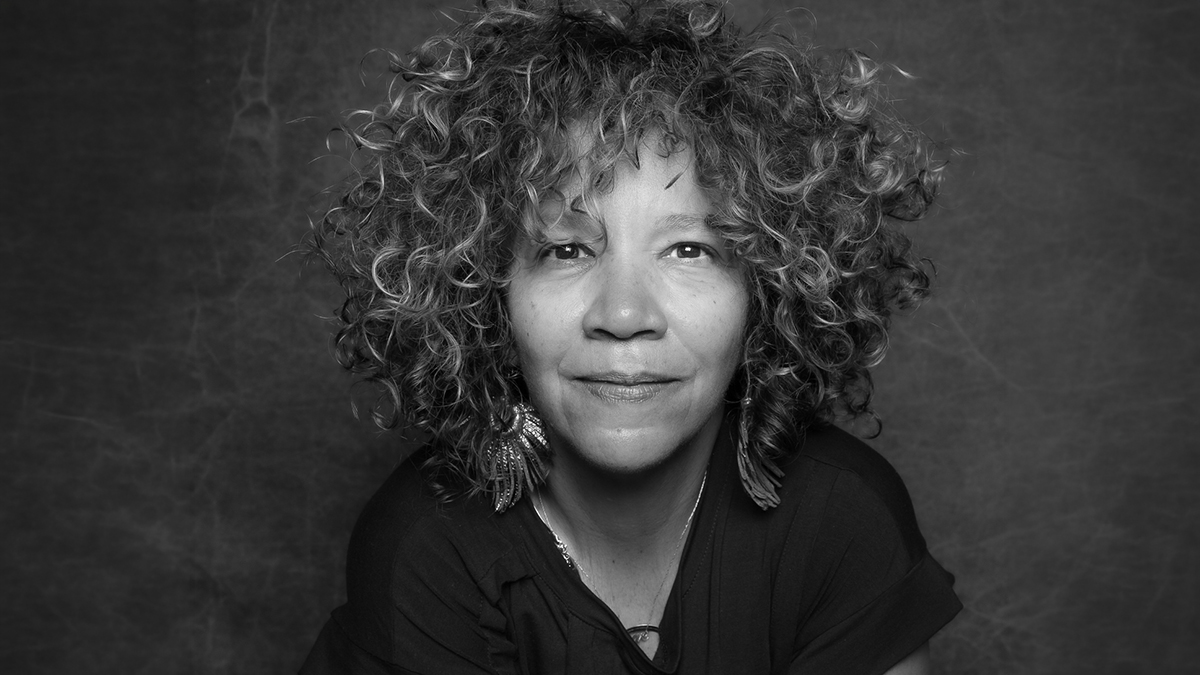
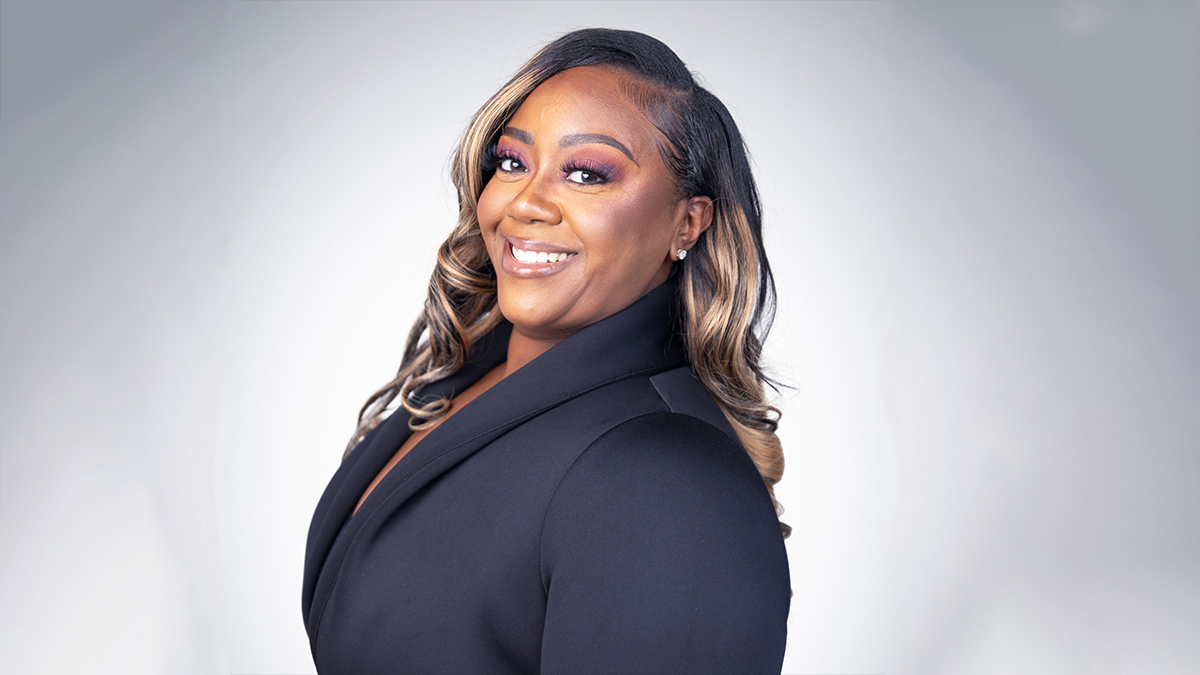
La’Torria Lemon has spent nearly two decades building brands, shaping narratives and helping others shine from behind the scenes. But stepping into reality television with Heart & Hustle: Houston has put the veteran publicist in an entirely new position—one where her own life, grief, and ambitions became part of the story.
In this candid conversation, Lemon opens up about navigating loss while filming, the pressures of reality TV, the misconceptions surrounding public relations, and the boundaries that now define this chapter of her life. Through it all, she remains grounded in purpose, representation, and a clear sense of who she is—on camera and off.
After building a successful brand in public relations, what led to your shift into reality television?
After building a successful brand in public relations for, I think, more than 18 years now, I was approached to do a docuseries about women in Houston who hustle. At the time, I thought, “Oh, that’s right up my alley. That sounds good.” Most people know me for the work I’ve done not just in Houston, but in the PR world, so it made perfect sense. As time progressed, it evolved from a docuseries into reality television.
What has been the most challenging part of this journey for you—being an expert in publicity and public relations and now being the actual subject?
The difference between PR and reality TV—or TV in general—is that in PR, I get to control the narrative. In television, you’re trusting editors and producers to piece things together and be as accurate as possible, and sometimes that isn’t always the case. I think most people don’t realize that reality TV can sometimes be an illusion created for entertainment. There are real moments, of course, but you’re seeing very condensed versions of them. We may film something for four hours, and viewers get a minute and 10 seconds of it. You’re seeing a modified version.
That’s something I had to adapt to because, in my world of PR, I tell stories and I like to tell the full story from start to finish. As a storyteller, it’s never been my thing to leave things out. I want people to see the realness of what I’m pitching, what my clients have done, and so forth. So it’s a huge difference. It really is.
Heart and Hustle Houston viewers see you navigating the profound grief of losing your father while simultaneously running multiple ventures. How has processing that loss reshaped the way you define success and purpose?
Losing my dad was by far the hardest thing—and still is the hardest thing—I’ve ever experienced. My dad was my rock, my confidant, my spiritual leader, my praying partner, and honestly a silent partner in the business. He wasn’t an investor, but whenever I needed advice, I could count on him to give me sound advice that wasn’t industry-driven because this wasn’t his industry. Going through grief while being on television and operating multiple businesses was a lot. I have a PR firm, a home-fragrance line, and a youth organization, and I was also a partner in a restaurant. Everything was still running. Unfortunately, death doesn’t stop the world. Everything still required me.
Even when I didn’t have the capacity, filming required me. PR required me. My clients were, of course, offering condolences, but there was also the question of when I would return, whether I could still send a press release, or whether I could still do an activation. At the same time, I had to navigate what it looks like to be a daughter to someone who is deceased. I had to handle my father’s estate. I’m very transparent about the fact that I never found my father’s will, so I had to go through probate and deal with all of these additional layers that bring another ounce of grief. I was paying my bills, his mortgage, and expenses on his two trucks just to keep everything afloat until I could get things in my name.
There were times when I watched the show and thought, “Wow, my dress is pretty, but I don’t recognize myself.” I didn’t recognize the strong, vibrant person who had so much life. I was also in an environment where the illusion of TV is, “These are your friends,” when some of them aren’t. On my worst days, it wasn’t always like I could say, “Hey, I need you guys,” because we were still learning each other. In all transparency, it was a lot.
Do you have any regrets about making the transition into reality television?
I don’t necessarily have regrets, but I wish the direction had remained more focused on the hustle and less on drama. In my 37 years of life, I don’t think there are too many people who can say they’ve had drama with La’Torria, because I’m really not a drama person. I don’t thrive in drama or chaos. I’m the person who asks, “What’s the solution?” I can’t thrive in situations where there’s no resolution. So I don’t regret it, but I wish who I am as a person had been amplified more in a way that reflects what people who actually know me already understand. This is a new audience getting to know me. They’re seeing my grief, which I was transparent about, but they’re also seeing six women who aren’t able to get along.
I work in entertainment, and there’s always a lot going on. I’ve always been able to come up with a quick resolution. That’s the publicist in me, the person in me, and the friend in me. This space didn’t have quick resolutions at all.
Now that you’ve been both behind the scenes and in front of the camera, how has the experience shifted your perception of public relations?
I think everything is about timing. I initially left Houston in 2007 to go to Clark Atlanta and study radio, TV, and film. At the time, I wanted to be on radio, and I wanted to be on TV as well. My road took me to public relations, and at the time I didn’t really know what God was doing. I just said, “Okay, I trust you.” Then, 16 years later, I ended up being on this show. What it has taught me is that, after I’ve been the voice for a lot of people both in front of the scenes and behind the scenes, other people have now been my voice and my advocates when things on the show haven’t been represented correctly.
I cherish that because I think it’s a testament to what happens when you do people right and treat them right. There are people who will say, “That had to be a bad edit,” or, “That doesn’t even make sense. That’s not who she is.” Those who know me, have been around me, and have witnessed my work and the services I provide understand that there’s a certain level of integrity and decency I’ve always had. A show can’t make or break that, and I’m thankful for that. It has also given me a variety of perspectives. I haven’t said this out loud, but I think I’m actually interested in producing now because there’s so much content that goes unnoticed, especially involving Black women and the entertainment industry. So I have a few other goals now.
Having worked on major campaigns for industry giants like Tyler Perry, Jamie Foxx, and Essence, what would you say is the biggest misconception new entrepreneurs have about PR and what it can actually do for their businesses?
I think people believe PR is like a microwave—instant. You put something in, and within a minute or two, voilà, you have everything you need. But it’s really more like a Crock-Pot. It has to simmer. It has to build flavor. It has to take its time. Then, before you know it, you have a product you can continue to benefit from, versus something that happened so quickly it may lose its texture.
A lot of people think, “If I get a publicist today, by next week I’m going to be on the cover of Urban Magazine. The week after that, I’m going to be in Essence. Then I’m going to be on The Breakfast Club.” And it’s like, hold on. There’s structure to it. There are strategies. There’s a method. I have access to a lot of media outlets, but that doesn’t mean every media outlet is going to be interested in every client or every campaign I have. That’s something people have to know and understand.
Share one daily non-negotiable that keeps you grounded while juggling so many ventures.
In this season of my life, after we finished filming season two, I took 45 days that were almost like an in-house sabbatical. It wasn’t depression or anything like that; I really had to cleanse my space. I didn’t talk to many people unless it was mandatory for work. I didn’t really go to social events. I took more walks. I went to the doctor and got my health back on track because I’d had some health scares on camera. During that time, I started regaining my strength because I felt like I had lost so much of it. My non-negotiables now are three things. Everybody talks about standing on business, but I’m standing on peace, positivity, and boundaries. Those three things are non-negotiable for me now.
I can admit there was a long period of my life and a huge chunk of my career when, no matter what happened, I was going to make it happen. Although that may sound great to everybody, that’s a lot of stress and strain on you spiritually, mentally, and emotionally. Some things can honestly wait, and if they can’t, I’m okay with referring you to somebody else. That applies to every aspect of my life.
Being on the show, do you feel pressure to act out or amplify your personality for the sake of your brand, or do you feel solidified in who you are?
I’m very much La’Torria wherever I go. I’ve always been witty, even in high school. I went to a very big high school—there were about 5,000 people in the school and 1,300 in my graduating class. I was the senior class president of the biggest class in my high school and was voted the wittiest person. I’ve always been quick on my feet with a joke and always wanted people to smile, laugh, and have a good time around me. Again, I’ve never been a drama-filled person. I’ve always been committed to myself, and I’ve received so many DMs from women—and not just women, but people in general—saying, “We see your heart. No matter how hard this season of life was, not just the season on TV, we see your heart. We see that you’re really a kind person. We see that you’re a giver.”
For people to see that, whether it was shown or not, speaks volumes. I am truly who I am, and that warms my heart. I don’t feel pressure to bring drama, curate mess, or be the biggest personality on the show. I don’t even want that. I’ve told some of the girls, “Y’all got it. Y’all can be the star of the show.” If it happens, it happens, but that’s not my aim or my goal. My goal is that I know I’m on assignment. I know there are little girls who look like me—whether they’re Brown or plus-size—who may not see representation on TV that looks like them. So here I am. There are also people interested in the media world who may not have insight into how to pivot and not feel bad about it. Well, here I am. I want to help you through that.
That’s my assignment. I’m quick to say I could walk away from this show today and still be okay because it is not a necessity for me. It’s actually an accessory.
Be’n Original