
For nearly a century, New York’s dance floors were governed by laws rooted in fear, racism, and cultural suppression. Today, after years of relentless advocacy, those barriers are finally falling—thanks in no small part to Greg Miller, executive director of Dance Parade New York, and the movement he helped ignite.
In this interview, Miller breaks down the victories, the setbacks, and the communities that kept dancing even when the law said they couldn’t.
After nearly two decades of advocacy, what did it mean to see the New York State Liquor Authority eliminate dancing as a factor in liquor license applications?
It’s been quite a journey. This is one of several wins we’ve had, but it’s a major one—and honestly, it’s been underreported. It’s a huge feeling to finally see change, because it really didn’t look like things were going our way. Dance, music, and culture have been suppressed for decades. These laws disproportionately affected Black and Latino immigrant communities, musicians, and nightlife venues. Most people don’t realize these restrictions date back 100 years, to the racist policies of the 1920s. We’ve still been living with the consequences.
Earlier this year, the State Liquor Authority was actually considering adding a statewide dance license—essentially recreating the old cabaret law that New York City suffered under for 91 years. We knew that would make things worse. So we wrote a five‑page position paper explaining why a dance license was the wrong solution, and we joined partners in pushing back. Ultimately, they reversed course and lifted the restrictions altogether.
Many people know Dance Parade as an annual celebration, but fewer realize it’s part of a long policy campaign. How did the organization evolve from producing a parade into leading statewide advocacy?
I started doing dance advocacy in 2005. We held events to educate people—letting them know that “dancing is not a crime” and questioning why a cabaret license existed at all. Most people had no idea a dancing license even existed. Around that time, there was a case in the New York State Supreme Court—Festa v. City of New York—where dancers argued the license infringed on their rights. They lost, but it motivated us to do something bigger. That’s how Dance Parade began.
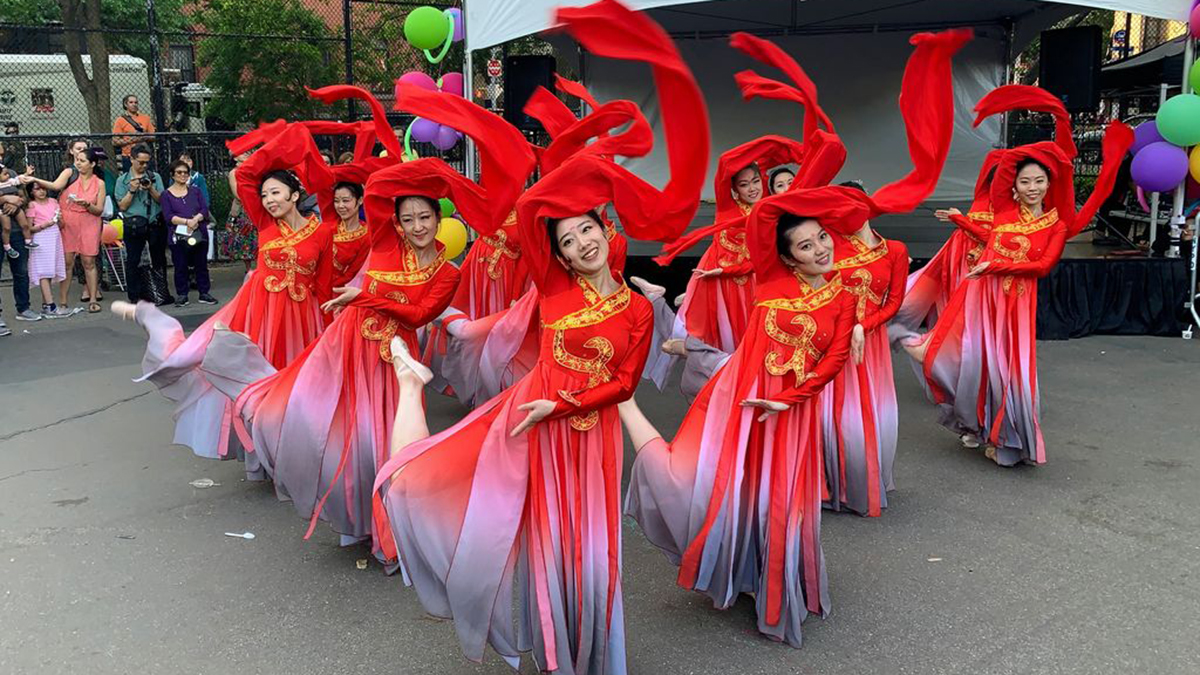
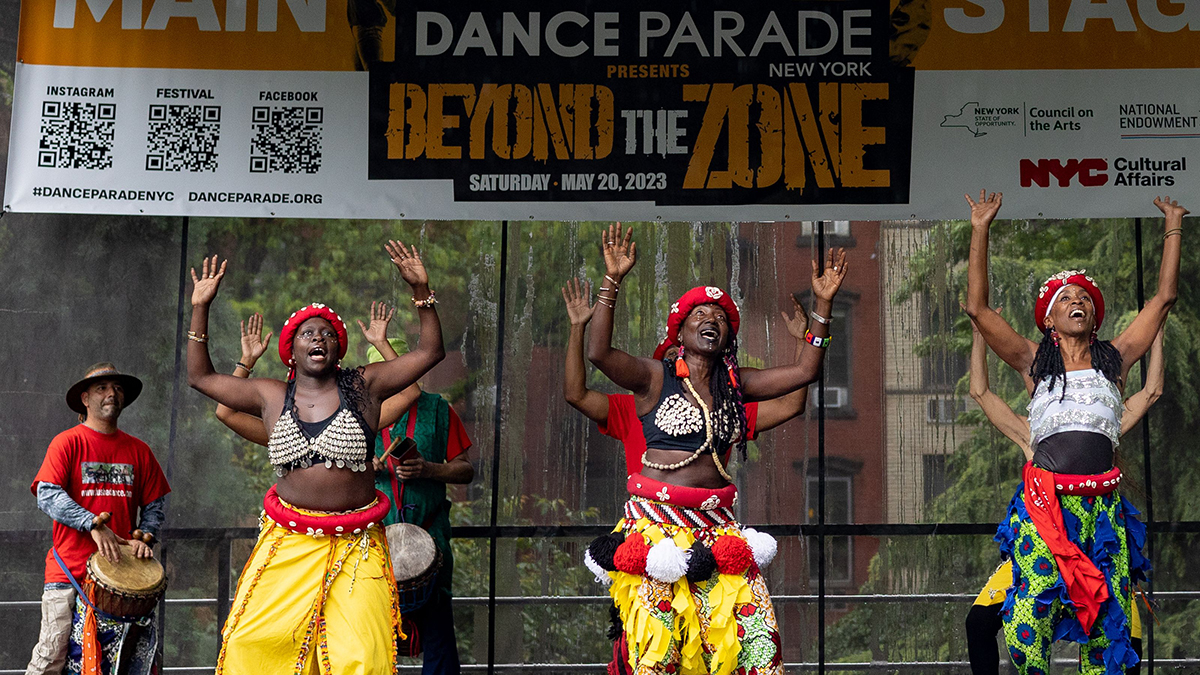
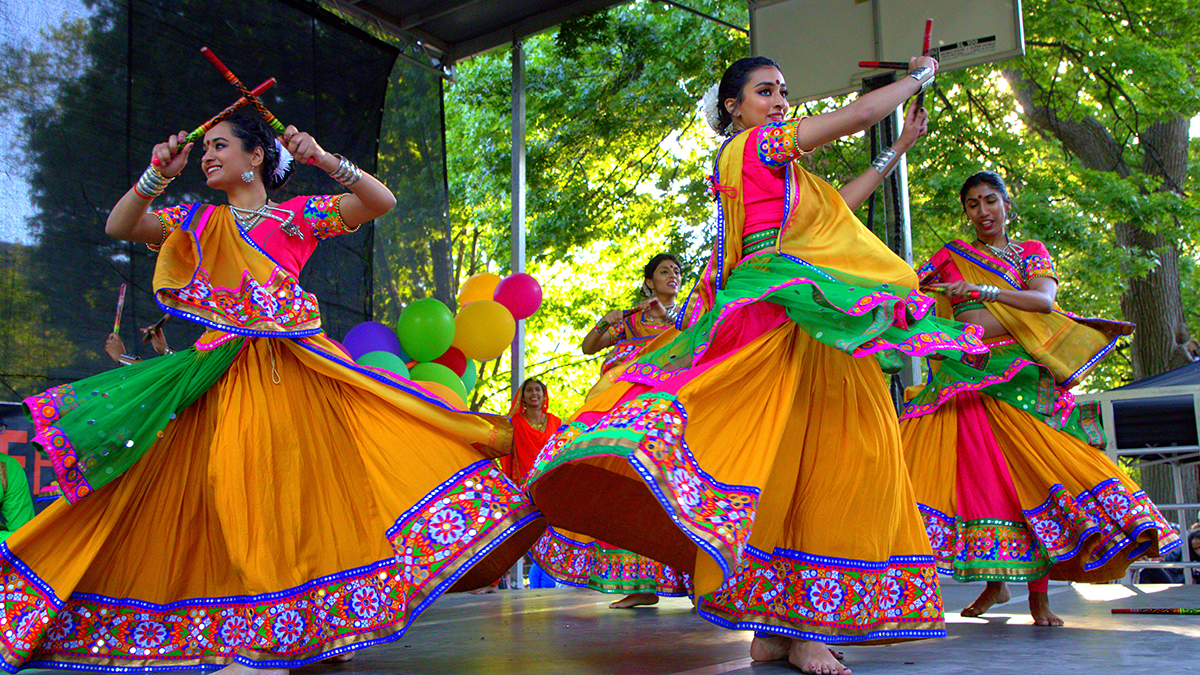
Our mission has always been to present all forms of dance—not just stage‑approved styles, but social, cultural, and immigrant community dances: tango, Mexican polka, Russian, Japanese, African, and so many others. These forms deserve protection.
Over the years, we helped repeal the cabaret law in 2017, supported zoning reforms in 2024 that legalized dancing citywide, and most recently helped overturn the State Liquor Authority’s dance restrictions. There’s still work to do — especially around music regulations — but the movement has grown into a powerful cultural force.
You mentioned earlier that dance restrictions disproportionately affected immigrant, Black, Latino, LGBTQ+, and working‑class communities. How did those communities shape this movement, and why is it important to center their experiences?
So much of what we celebrate as American culture comes from these communities. The cabaret law was created during the Harlem Renaissance—a time when Black music and dance were flourishing. Yet the law made life harder for musicians. In the 1940s, performers had to carry cabaret cards to work. Legends like Miles Davis, Billie Holiday, Ray Charles, and Charlie Parker had their cards revoked. You had to be considered “morally fit” to get one, and jazz musicians were often targeted. That’s racial bias, plain and simple.
When laws disproportionately impact certain groups, that’s systemic racism. We need to acknowledge the data and examine which laws still create unequal outcomes. Centering these communities isn’t optional — it’s essential to protecting the cultural forms they created.
Why do you believe government should distinguish between regulating public safety and regulating entertainment?
Government absolutely has a role in public safety. The question is whether we already have enough laws—and whether some are duplicative. For example, people argue nightclubs shouldn’t have loud music. But noise regulations already exist. They worry about crowding — but occupancy laws already limit how many people can be in a space.
New York has some of the safest entertainment regulations in the country, partly because of tragedies like the 1990 Happyland fire, which led to stricter fire‑safety requirements. So why add extra laws that restrict dancing? We already have the tools to keep people safe.
Beyond advocacy, Dance Parade works in schools, senior centers, community centers, and underserved neighborhoods. How do these educational programs support your mission of expanding access to dance and culture?
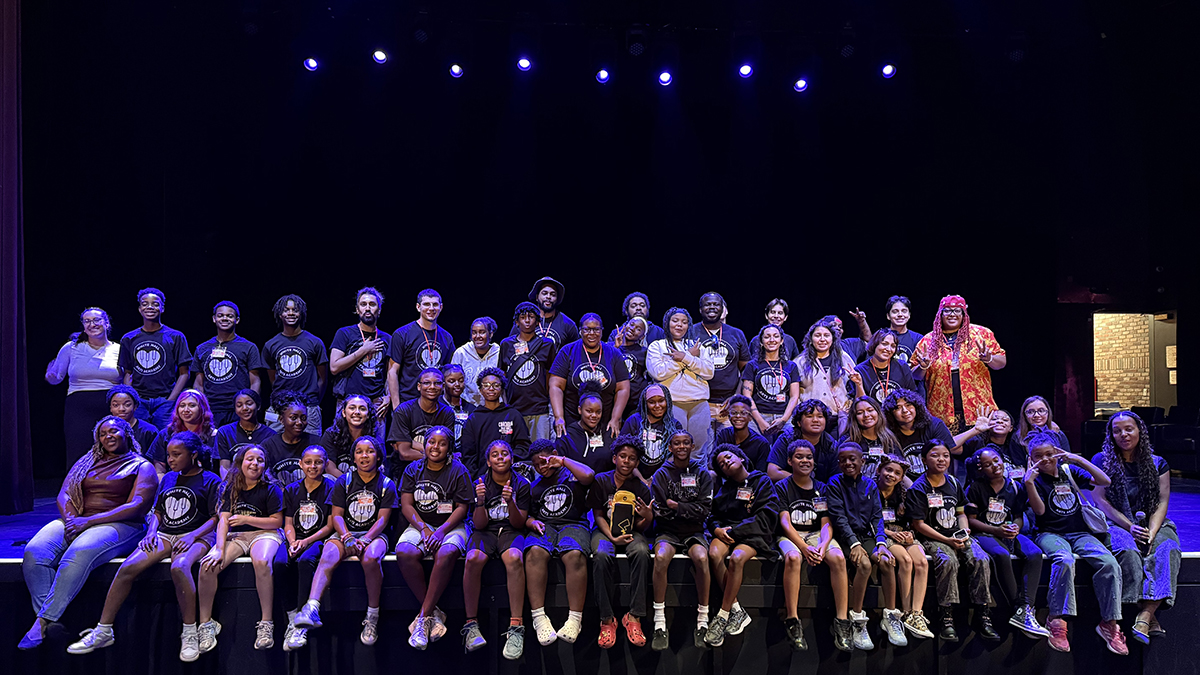
They’re central to our mission. We run three major programs that reach New Yorkers of all ages. Our cultural residency program sends teaching artists to outer‑borough schools, many of which have limited arts access. Students learn dance forms connected to their communities, and then they perform in the parade. For some kids — like those from the Bronx who joined us this year — it was their first time ever visiting Manhattan.
We also run programs for older adults in Brooklyn, Queens, and the Bronx. They can’t always dance 1.4 miles, so we use parade floats or support vehicles. But the joy is incredible. Dance connects people across cultures and generations.
What impact could these policy changes have on small businesses, independent venues, musicians, DJs, artists, and New York’s nightlife economy?
Huge impact. Small businesses need nightlife to thrive. Artists who are still building their names can reach wider audiences. We’re even talking with the Mayor’s Office of Media and Entertainment about a live telecast—giving each group a 40‑second spotlight on TV.
It’s an opportunity for cultural visibility, economic growth, and artistic recognition.
Looking ahead, what would success for the Let the Music Play New York campaign look like? And how can New Yorkers support the next phase of the movement?
Success means getting the state to stop regulating music in restaurants, bars, and clubs. We’ve launched a petition at legalizedance.org, and we encourage people to sign it and contact their state assembly members and senators.
If you’re a tapas bar, you should be able to play Spanish music. If you’re a retro bar, you should be able to host swing dancing on Saturday nights. Your liquor license shouldn’t dictate whether you can have a DJ or a live band.
Nightlife is safe. Fires and major disturbances are extremely rare. Music and dance help small businesses survive — and they’re vital to New York’s cultural identity.
Thank you for taking the time for this interview. The work you’re doing is powerful and important.
Miller: Thank you. We couldn’t do it without partners like the Hospitality Alliance, and we rely on larger organizations with lawyers and lobbyists to help push this forward. The media plays a huge role too — you’re helping get the word out, and we’re grateful.
Be’n Original