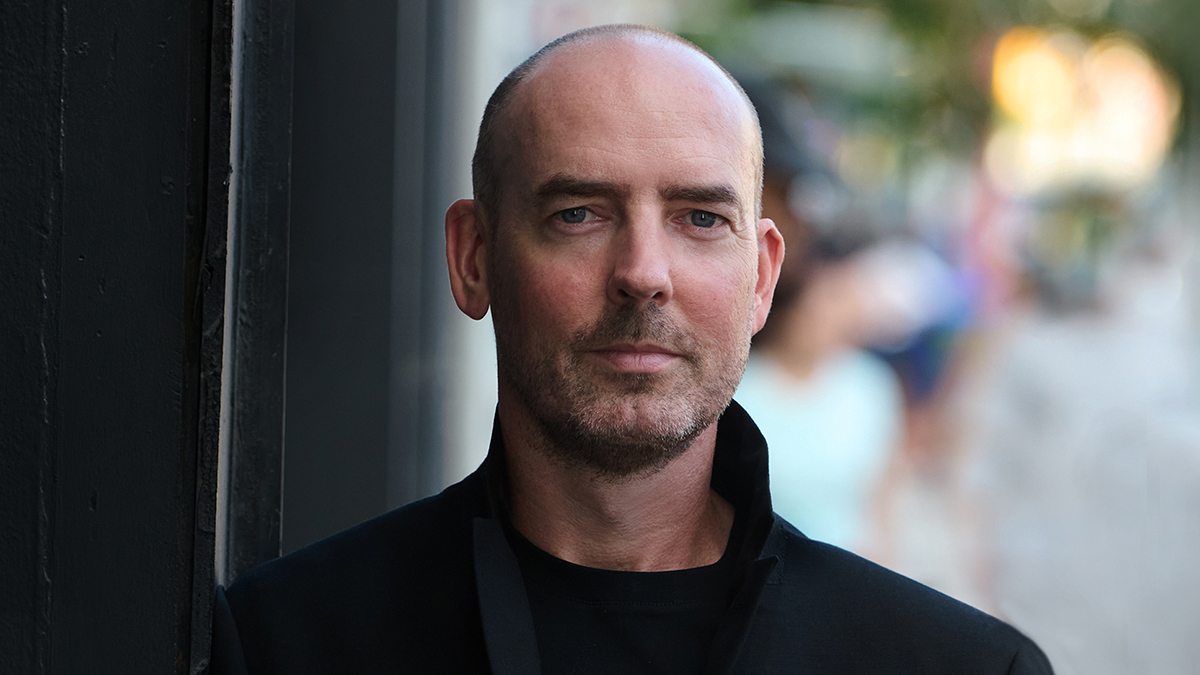
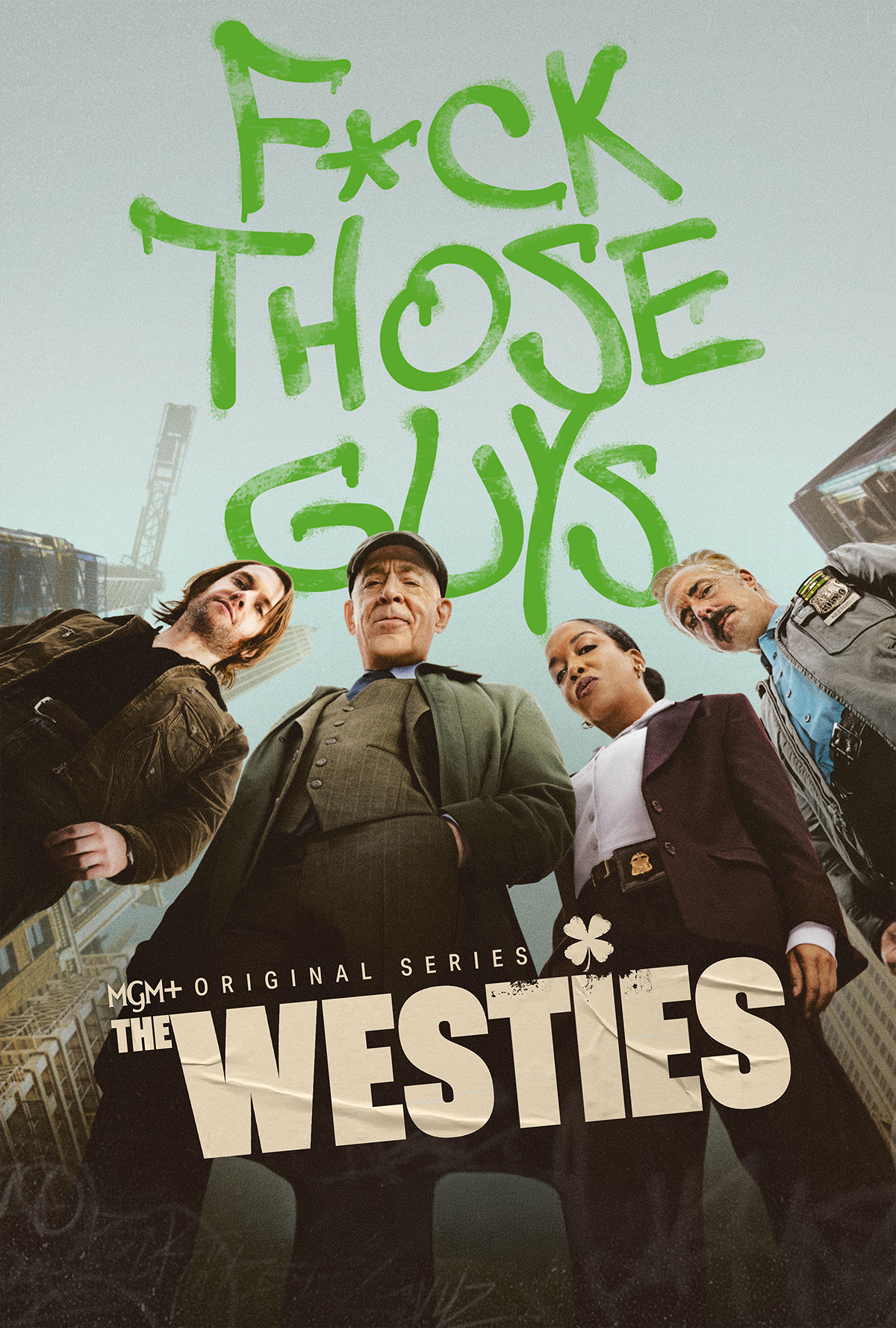
Tadhg McMahon steps into the brutal world of “The Westies” with a performance shaped by grit and experience. In this interview, he reflects on the Irish gang’s story of survival and moral ambiguity.
What first drew you to “The Westies,” and what made Cliffie a character you wanted to bring to life?
I’ve been drawn to “The Westies” for a long time. I knew about them as far back as the late ’80s and ’90s, and they had a reputation. Growing up during the era when Goodfellas came out, everyone talked about the Italian Mafia. I’d tell people, “There was an Irish gang in the neighborhood at the same time,” and guys would say, “I’d rather bump into twelve Italians in a back alley than two Westies.”
As I got older, I learned more about them, and the subject matter always stuck with me. State of Grace touched on it, but most people still didn’t know the real story. I’d been waiting for this world to come back around.
How did you prepare to step into that world while making the character your own?
Cliffie is based on a real person who existed within “The Westies,” though he wasn’t one of the central figures and wasn’t mentioned in T.J. English’s book. From neighborhood sources, we know he was active and involved, but there wasn’t much documented about him. So, I started with a scrapbook. I collected photos of tenement life in Hell’s Kitchen—families crammed into small apartments, the look of the streets, the violence that surrounded them. I built Cliffie’s life from there: who he was in his twenties and in his thirties and how he moved through that world. Those imagined memories became the backbone of the character. Every time I stepped on set, I brought that internal history with me.
The series explores loyalty, identity, and survival. Which theme resonated with you most?
Survival. And how survival is tied to loyalty. Growing up in Ireland, loyalty is drilled into you—you don’t rat; you stand by your people, your neighborhood. That’s how communities survive. For Cliffie, I wanted that strong, silent presence of “we endure, we survive.” You see it in his body language, how he stands, and how he reacts as situations become more violent.
Is there a moment on set you’ll always remember?
There are many, but the ones that stay with me are the scenes where J.K. Simmons and I come face-to-face with the consequences of our characters’ actions. Working opposite someone of his caliber is a privilege. When he’d give me a nod or a tug on the shoulder afterward and say, “Hey man, that was really good work,” that meant everything. Actors live for that—and for the music of doing a scene with someone that talented.
When did you realize acting was something you wanted to pursue?
Acting became a professional job for me very early. I auditioned for the Olympia Theatre in Dublin when I was 11. I didn’t get cast, but when I moved to Canada shortly after, a friend was auditioning for a project. I tagged along because I liked auditions—and I got cast. I started working at 12. I kept acting through school plays and amateur theater, then stepped away in my late teens. In my early twenties, I returned to amateur theater with the Irish community in Winnipeg. Working with writers like J.B. Keane on The Field and later seeing Marina Carr’s Bailegangaire in Ireland made me realize the following: This is the kind of material I want to work on. Dark, gritty, and real. That pulled me back in.
Which role taught you the most about yourself as a performer?
Making my own short film. I collaborated with director Daniel Clements in Toronto—we wrote and produced it together, and he directed. Creating my own work taught me that I don’t have to be everything to everybody. When you’re not working for long stretches, you fall into the trap of thinking, “I can be anything anyone wants. Just give me a job.” But trusting your own compass is essential. That project helped me learn that.
How do you decide which roles to pursue? What makes a script stand out?
Early on, you’re just trying to get any recognition or job. But as life throws things at you, you start looking inward and asking what you’re trying to express.
For me, that’s become darker, less about people‑pleasing, and more about the struggles of being a man, a dad, a friend, and a son as your parents age. It becomes internal, and that’s what you bring into the audition room. When the fit is right, it’s right. With “The Westies,” the tone matched where I was in my life, and we were able to build Cliffie from that place.
Who are some of the actors, directors, or storytellers who’ve influenced your approach?
Aaron Sorkin—everything he writes, I wish I could chew it up and turn it into my own. From my Irish theater background, Marina Carr is a phenomenal writer; her darkness resonates with me. Sean Penn and Gary Oldman in State of Grace were big influences. More recently, Taylor Sheridan—an actor turned writer and producer—does incredible work reflecting the modern world and its moral struggles. All of that mixes into what I try to embody in my characters.
Are there genres or character archetypes you’re interested in exploring?
I’m drawn to characters caught in morally ambiguous struggles—situations where you’re damned if you do and damned if you don’t. Dilemmas, not problems. People stuck where there is no clear right answer. I learned that on “The Westies.” Chris’s and Michael’s writing doesn’t offer clean exits. It’s all gray. That’s fascinating to play.
Looking ahead, what objectives have you set for your career?
I love that I’ve been able to work and study in Ireland. I love working on Canadian productions and bringing my experience as an immigrant into that world. And through The Westies and Boston Blue, I’m getting opportunities to play Irish‑American characters and reflect that identity. I want my career to keep expanding the family of people I work with and to take me to as many places as possible—continuing to explore the morally ambiguous universe we all live in.
What advice would you offer an aspiring actor?
In your training, pursue emotional truth and depth—never lose that. But remember: this is also a business. If you understand how people perceive you and how archetypes function in storytelling, you can identify the archetype you genuinely fit into. That makes it easier to find your way and balance your emotional truth with an understanding of where you fit in the industry. Finding that balance is the challenge.
Be’n Original