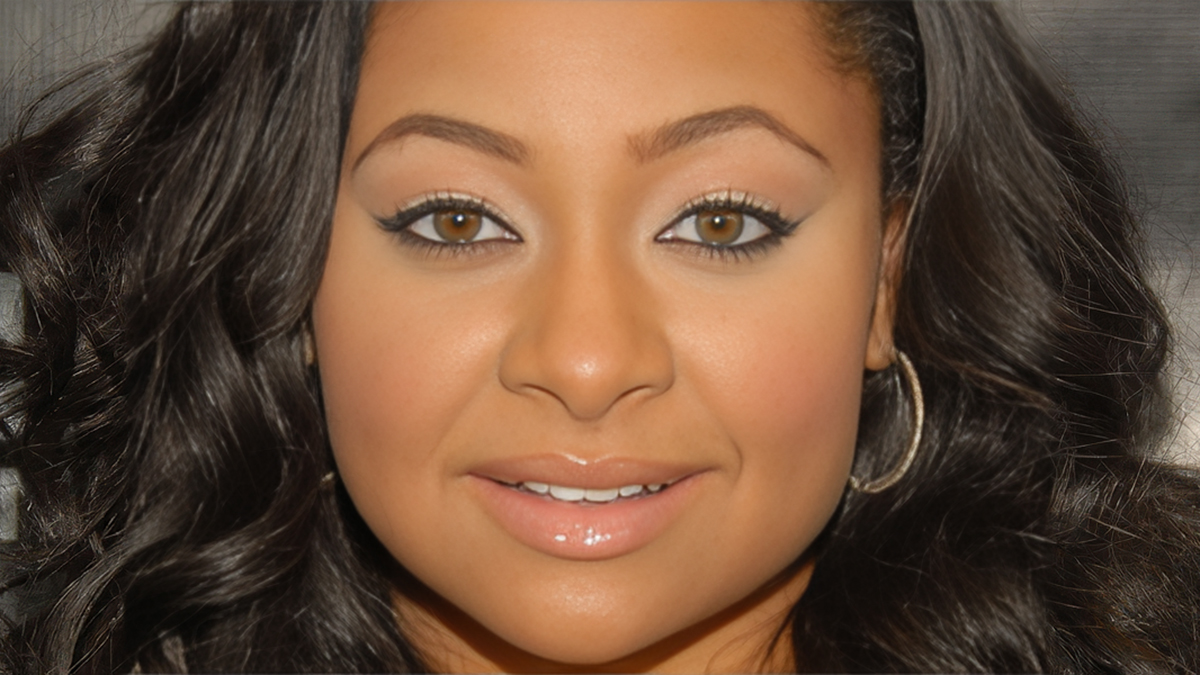
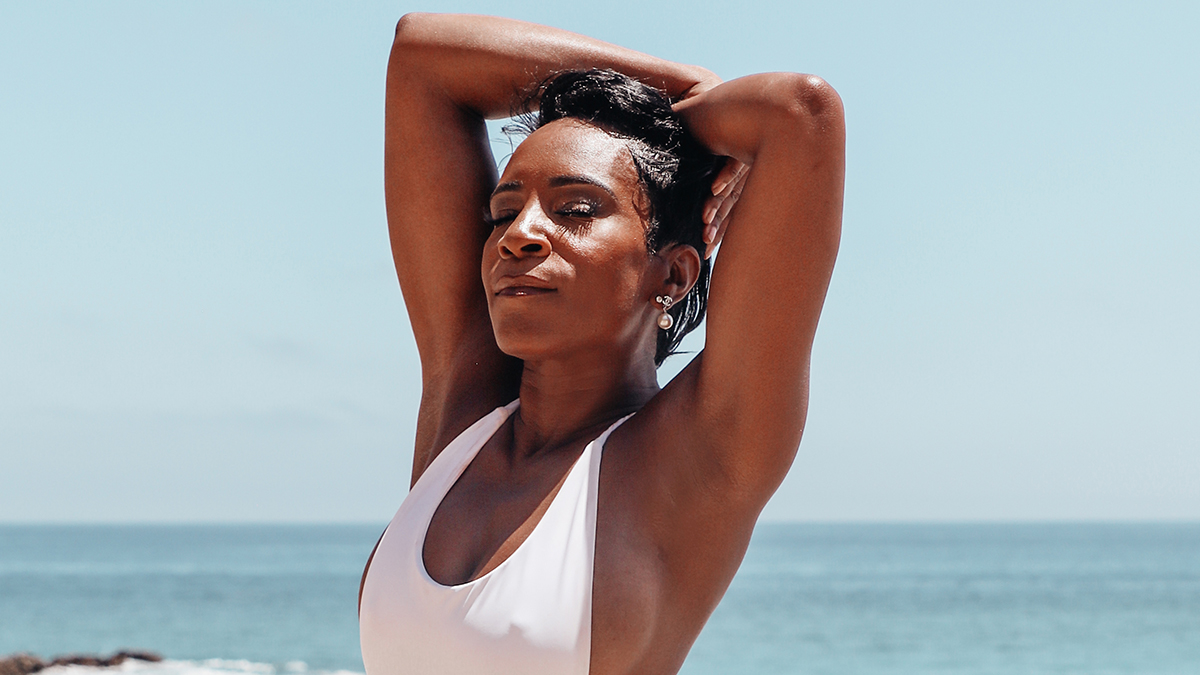
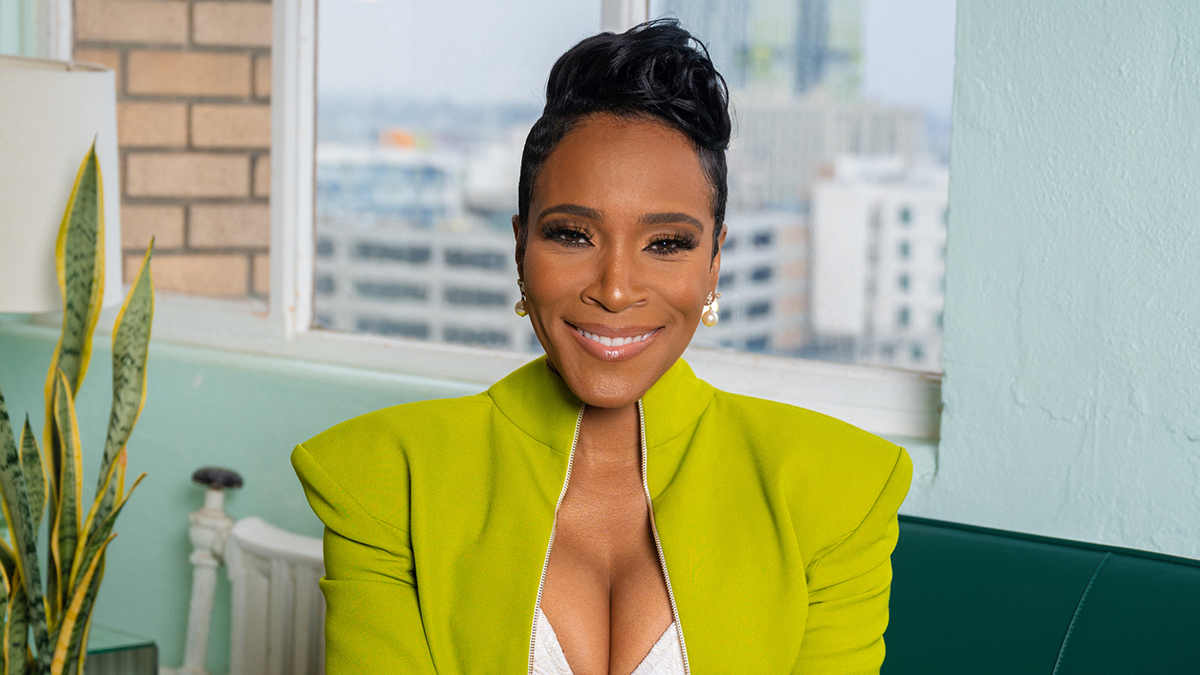
Approaching 50, erika bryant (intentionally lowercased) isn’t simply marking a milestone; she’s claiming the fullness of a life built by betting on herself, taking up space, and refusing to let fear have the final word. For more than two decades, bryant has moved through music, television, producing, writing, and entrepreneurship with an unwavering belief in the power of people and story. Along the way, she has turned curiosity into creativity, obstacles into opportunity, and fear into fuel. Her philosophy is simple and hard-earned: Fear is my muse.
As erika bryant prepares to celebrate her 50th birthday, her forthcoming “Doing It Scared in Love & Relationships” carries special meaning. She calls it “literally a 50th birthday gift to myself,” a personal exploration of vulnerability, intimacy, ambition, and the courage to believe women can have both a fully realized life and fully realized love. This chapter feels less like reinvention than arrival: a woman standing firmly in her voice, purpose, softness, and power.
When you think about the time you were making roughly a hundred dollars a day as a production assistant and wondering whether this career would work out, what would you tell her today?
I tell her to follow the passion, not the money. I feel like when you follow your passion, that usually means your purpose is wrapped up in there too. When you follow that, the money eventually comes. It may not come in a dump truck all at once, but what you gain over time is adaptability. You get better at your craft, and you grow as a person. I think we are the sum of all the things that we experience and go through. I would tell her to stick with it. It gets better on the other side. Don’t give up on yourself because you actually have a talent, and it’s going to take you somewhere. Your gifts will make room for you.
How has your experience in the music industry influenced the way you discover talent, develop stories, and build creative teams today?
The music industry was 20-something years ago, so that was a long time ago. I think it’s all about people. No matter what business you’re in—music, television, marketing, magazines, publishing, or whatever it might be—it’s all about people. I’m a naturally curious person, and music was my first love. That curiosity led me into the industry. When I moved into television and writing, the same curiosity stayed with me. When I’m developing teams and shows, I want to know what makes people tick, what entertains them, and what makes them laugh. I always say I was raised by television.
It was like my nanny. I was a latchkey kid back in the day, so a lot of my time was spent in front of the television. We had programming that painted the tapestry of the world we lived in at the time, and it helped shape my mind around storytelling. I think it became a part of my DNA. As I build teams, I try to represent people from different walks of life. I think God put us all here with a specific something in mind. I always want to tell stories that depict true life. Life is stranger than fiction, and God is the best author of them all.
You built a career across major networks and platforms while creating opportunities for yourself along the way. What has entrepreneurship taught you that working within traditional Hollywood structures never could?
You have to bet on yourself. There’s something to be said for working within the confines of the majors because you learn the craft. There are important lessons when it comes to managing up, managing down, and dealing with a corporate structure. I worked at Sony for almost two years in development during the pandemic after Holly Jacobs brought me in from the field as a showrunner. It was an important experience because it showed me how much I already knew. As a producer, I had spent years working directly with talent, writing scripts, beat sheets, network materials, and show bibles. At Sony, I realized I understood the craft more deeply than I had given myself credit for. I’ve been an entrepreneur since 2012. When you become a freelancer in the television business, you are an entrepreneur. As an entrepreneur, you have to fight for yourself. You have to bet on yourself. I respect the structure, but I find my own lane. I think that’s what’s been key for me.
For Black women entering TV and film now, the industry has changed, but barriers remain. What advice do you wish you’d had before your first production?
Take up space. I wish someone had told me to take up space. Some things haven’t changed, which is why entrepreneurs like me are trying to create opportunities for other women of color. There’s usually maybe one or two of us in the space, in the room.
Coming up, I was afraid to take up space. As I grew in my craft, I began to use my voice more. I remember being a PA on a Pussycat Dolls show and noticing something onstage that seemed off. I mentioned it to showrunner Brooke Karzen, and she told me, ‘You’re going to be an amazing executive producer one day.’ Had I stayed quiet, I might never have received that encouragement or allowed her to see something in me that I couldn’t yet see in myself. Years later, when I became a showrunner, I reminded her of that moment. It never left me. At the time, I didn’t even know what an executive producer really did; I just knew they were at the top of the call sheet.
You’ve spoken about being one of the only Black women in certain production rooms. What does meaningful representation behind the camera look like to you beyond simply increasing headcount?
It is about increasing the headcount, for sure. We have to open doors for each other. But I think it’s also about representation in the content. If there are only two of us in the room, then what are we putting on paper? What are we discussing? What are we putting on the screen? It’s about allowing those stories to resonate, including stories that speak to wider and minority audiences. We have to bust down doors and create more chairs at the table. Yes, build our own tables and build our own rooms, but also make sure what we’re putting on the screen is true and authentic to the lived experiences of underrepresented people.
As a producer and showrunner, you’re responsible for both the story and the people creating it. What have you learned about leading teams?
I’ve learned to handle everybody with grace. We’re all going through something in our own walks of life. Yes, we have a larger mandate at hand: to do the job and deliver for our bosses. We’re serving many masters and pleasing many chiefs, if you will. I think it’s about giving grace and leading with compassion while also being teachable. Just because I’m a leader doesn’t mean I know everything. It means we’re a team. Just like a fist, you need your thumb and your pinky to make a true fist. You pack less of a punch if you don’t. I learn from my staff all the time, from a PA to a supervising producer to a co-EP. When everyone approaches the work with that openness, it creates a better experience. I also like to have fun at work. We get to create television and content; it should be enjoyable. The job requires you to pivot, think quickly, and find solutions.
In the original Doing It Scared, you described fear as something that can signal growth rather than something to avoid. After everything you’ve accomplished since writing that book, how has your relationship with fear changed?
Fear is my muse. My relationship with fear has changed in the sense that I lean in heavier now. I see fear as this mountain that looks insurmountable. But if you approach the mountain and lean into that fear—not avoid it, not ignore it, but walk toward it—on the other side of that fear is the unlived version of ourselves. With this book, I leaned heavily into things I feared. They say, ‘Be careful what you pray for.’ I knew the title before I knew the content, and then life happened. Over about 18 to 24 months, I experienced some of the hardest lows and some of the highest moments, including getting married.
I feel like God never gives us more than we can handle. If you’re willing to do the work and lean into the fear, you really do come out on the other side a better-lived version of yourself. By conquering that mountain of fear, when you get to the summit, the blessings are there.
With the forthcoming Doing It Scared in Love & Relationships, you’ve taken that philosophy into the realm of love and intimacy. What do you hope readers take from this book?
I knew it was supposed to be about love and relationships because I’m building this Doing It Scared umbrella, sort of like Chicken Soup for the Soul. I had the title way before I had the content. Fear is fear is fear, whether it’s in a career, in relationships and love, or in learning how to ride a bike or swim. The first book was more of an invitation: ‘Hey, come on, guys, let’s go conquer some fear together. You can do it.’ This book is an initiation. It’s, ‘Okay, now let’s roll up our sleeves and start digging,’ because relationships are where the fears truly exist. Relationships are what we’re born into. We have a mother, a father, siblings, friendships, and, for some, marriage and other relationships throughout life. Relationships truly help shape us, probably more so than the other parts of our lives. This is a book for everyone, and I want everyone to read it, but it’s really a gift to women.
What advice do you offer to someone trying to navigate love and intimate relationships while also pursuing personal goals?
Our personal goals have major importance. I am someone who found love late in life. I’m 50 later this month. This book is literally a 50th birthday gift to myself. It is me doing it scared. Even sharing that I’m going to be 50 is a thing. As women, we’re not always encouraged to share our age. I built a full career, but I was still going home alone and wanted love. I have friends who are successful, have money in the bank, and have built full lives, but still want a partner to share those lives with. What I’m offering in this book is the idea that there is a way to have both. It may not be easy or perfect, but it starts with giving ourselves permission.
I gave myself permission to put love on the shelf for years, so why not give myself permission to let love in? That means taking off some of the masks, capes, and armor we use to protect ourselves. Love gets through the cracks in that armor.
I learned that the hard way. I had to give myself permission to be soft. Yes, you risk being hurt when you open yourself to love. But if you’re unwilling to risk being hurt, you’re also unwilling to be loved. Vulnerability means giving someone the power to hurt you, and leaning into that fear is part of the equation.
How do you define the difference between healthy fear, which protects us, and the fear that holds us back from deep connection?
I think all fear is healthy because it’s information. It’s not something to judge or pack away. It’s something to lean into. It’s an invitation: ‘Here’s another area of yourself or your life that is calling you forth because there’s another version of you beyond that.’ Fear is my muse. It’s not my enemy. It’s not my nemesis. It is just as important as love because on the other side of it is where the best of us lives.
I’m figuring it out as I go. I don’t have all the answers. I’m sharing my testimony and hoping it becomes a gift to somebody else. It’s not about selling books. It’s about sharing my story because I believe my story is bigger than me. I see it as my ministry to others. I don’t have children, but my creative work—my books, television shows, and the people I speak to, coach, or counsel—is part of what I leave behind. Those are my children in a way. That’s my legacy, and I trust that God is working through me.
Want to stay up-to-date with erika bryant? Follow her on social media via @erikabryant_
Be’n Original