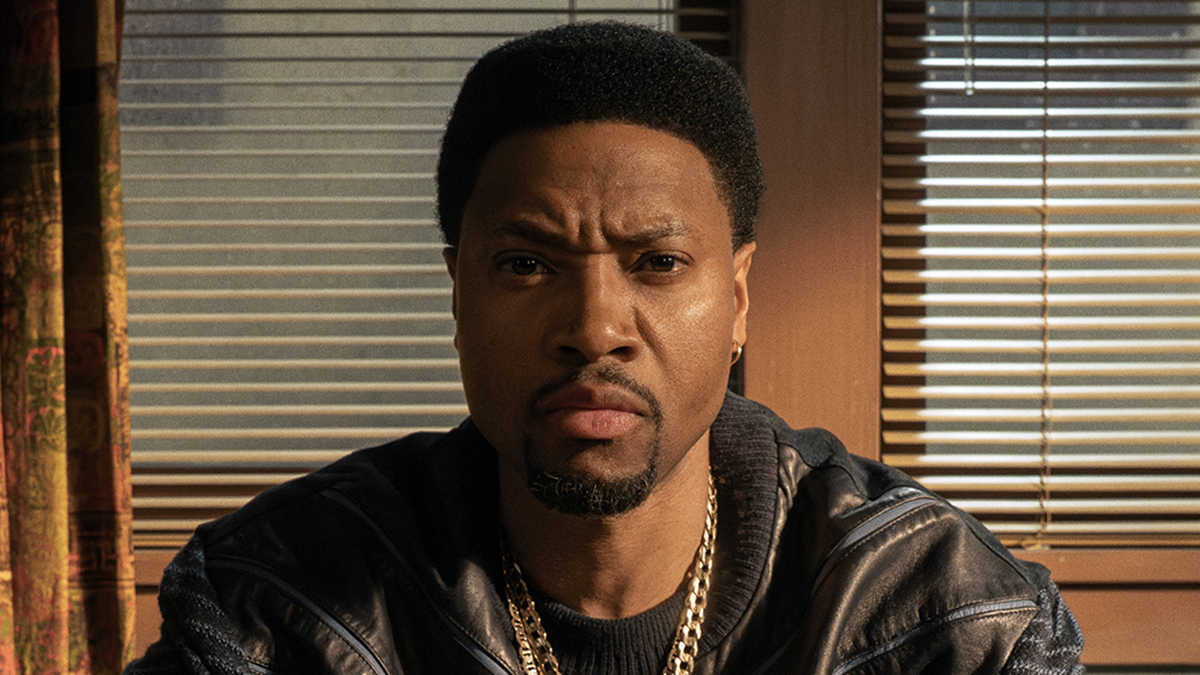
For five unforgettable seasons, Marvin transformed from the unpredictable loose cannon of the family into the emotional heartbeat of the series. Through moments of redemption, vulnerability, and unwavering loyalty, London Brown delivered a performance that challenged stereotypes and gave audiences one of television’s most compelling character arcs. As fans process Marvin’s heartbreaking farewell, Brown reflects on the evolution of the character, the emotional weight of filming his final scenes, and why authenticity has always been at the center of his craft.
In this candid conversation the acclaimed actor opens up about faith, purpose, community, and the next chapter of a career that’s only just beginning.
Marvin started the series as an impulsive enforcer, but over five seasons, he evolved into one of the most layered characters on the show. When you look back, what part of Marvin’s arc are you most proud of?
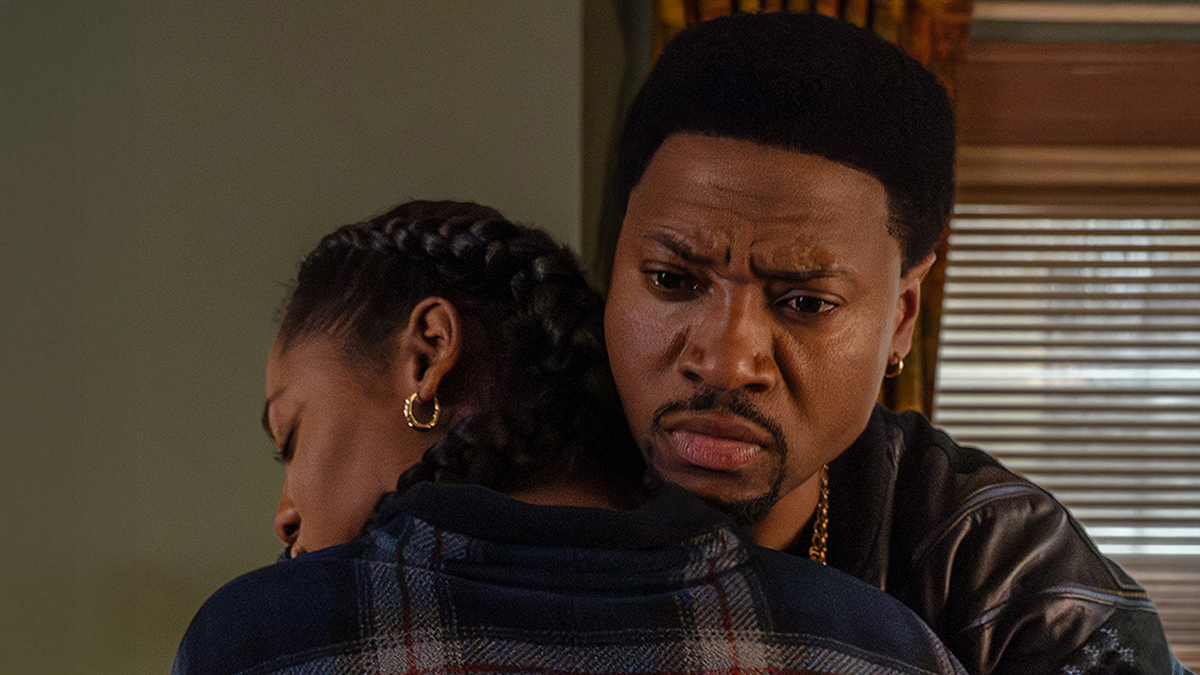
I think I’m most proud of Marvin’s arc regarding his relationship with his daughter. It was important because they start off pretty rocky. But the fact that we get to season five and see her openly confessing her love and appreciation for her dad—how she wants to stand beside him and hold him down—is really important for the dynamic between a father and daughter. It was nice to see that redemptive factor between the two of them.
How rewarding was it to explore that father-daughter dynamic and show a man trying to earn forgiveness instead of demanding it?
A lot of Black fathers don’t get credit for showing up for their daughters. You could argue that they’re supposed to show up, which I agree with, but when they do, it should be recognized. When you think about Mother’s Day, it’s flowers and balloons; the shelves are filled with acknowledgments for mothers. But on Father’s Day, a dad is lucky if he gets a bottle of cheap cologne or a tie. Marvin isn’t perfect, but he actually slowed down to process and really tried to show up for his daughter, almost to a fault. He annoyed her at rehearsals, but he just didn’t know. People have to remember that Marvin lost his dad, so for him to still try to show up and be a father is a learning process. He’s just trying to show up by any means necessary.
I think that’s why people gravitate to the character—they could see the humanness in him. Now, the penultimate episode ends with Marvin being killed by Kanan, someone he loved as a son. What was your reaction when you first learned Marvin’s story would end that way, and how did you approach filming such an emotional scene?
My approach was just to be extremely present, really listen to what was being said, and understand the circumstances. I don’t want to make it sound super deep, like I went into a cave and fasted for three weeks to study the part. I know dads dealing with sons or nephews who are cutting up, and coming from a teaching background, I know young people who have issues with their families. I just wanted to play it honestly. Even at the end, Marvin was still trying to give him some game, warning him not to get caught up. Marvin wasn’t afraid; I think he saw this already happening, which is why he began to make preparations. Shout out to Sasha Penn and his staff of writers for creating a situation that read so true.
I loved your dynamic with Raq. There’s a street adage that you have a certain time to move off the block and let the young ones have it, and your portrayal stayed true to that. Your last scene with Patina Miller explored that complex sibling relationship. What was it like working alongside her, and what did building that chemistry over five seasons teach you?
I just wanted to make sure I was prepared because I knew she was going to be prepared. Our acting styles are very similar; we both approach it by playing the subtext—going for what’s not on the page. The words are for the audience to keep up with the story, but the unspoken things are for the actors.
I wanted to create a space where she trusted me as a scene partner so she never had to worry about if I was going to be on point. She always showed up for me, so I tried to show up for her. In the beginning, Raq gave Marvin all the orders, but by the end of the season, Marvin is the one giving her a heads-up, asking if she’s unraveling or if her actions are really necessary. He was trying to say, “I love you, and I have your back, but I don’t know if we’re heading in the right direction.”
How does it feel seeing the memes and hearing people say Marvin is one of the greatest uncles in Black television history?
It’s a little overwhelming, but it’s cool that people appreciate the work. My main thing was that I didn’t want to be slept on. We had a lot of strong actors on the show—Tony Danza, Wendell Pierce, Patina Miller, Hailey Kilgore, and Joey Bada$$. The set, wardrobe, and hair and makeup were all incredible. I was very intentional about not getting lost in the sauce. I wanted people to connect and feel something, so the fact that they cried, cheered for him, and wanted him to make something of himself means a lot. In season one, people thought he was irresponsible and always snacking. I welcomed the challenge as an actor to figure out what I could do to make people care about him.
Having built such a huge fan base over the years, what’s next for you?
I’m still on the grind. The fans of the show rock with me, but I don’t know if the networks or studios are quite familiar with me yet. Until I have a mailbox full of scripts written specifically for me, I’m still auditioning. I actually have an audition as we speak. Acting is like an incredible temp job—you work when you work. My faith is in God, and as my good friend Chris Tucker tells me, “Stay focused and keep God first. “I’m just doing what I’m supposed to do.
What kind of roles are you looking forward to doing?
I’m open. I do like serious drama because it challenges me in a different way, but I’m also down for good comedy, rom-coms, or action. Give me a buddy-cop movie or something like Bad Boys, Hitch, Focus, or John Wick. I want people to be entertained and feel like they had a good time. When I leave a Denzel Washington movie, I’m excited as a fan and inspired as an actor; when you watch Jamie Foxx, you want to see him do comedy too. Ultimately, I want to do work that my mother can be proud of and respect.
Community service is something very important to you. With everything you have going on, what keeps you locked into that work?
I think there’s something God placed within me that allows me to connect with young people. I was a teacher, I’ve worked in after-school programs, and now I’m an ambassador for the NCRF alongside Yo-Yo, Kel Mitchell, and Da’Vinchi, helping students get into HBCUs and college. Growing up in the hood in South Central LA, nobody told me I could do photography, cut hair, or be an actor. At one point, there were ten of us in a little three-bedroom apartment. If I can use this platform to inspire young cats to go get it and not make excuses, then I’m good. I still live a regular life—I pay my mother’s Starz subscription, I’m still bailing people out of jail, and I just want to buy my mom a new bed and put some new carpet in her place.
I’m so proud of you, man. I almost sent you a text on Friday when the episode came out to tell you that you had an old man in tears over here.
That’s what it’s about, man; we’re supposed to feel something. I lost my brother in 2015 to the gang life in LA. When I watch Boyz n the Hood and see Ricky get gunned down, or see Menace II Society, where Caine runs over to protect Jada Pinkett’s character’s son, those movies still resonate to this day. When actors play it in truth, I don’t care how old the movie is; we’ll still feel something. When I perform, I’m totally removed; I’m not looking at London, I’m looking at Marvin. I still feel bad for Marvin when Jukebox tells him she loves him. I’m glad people were able to feel what Marvin felt, whether they were in Seattle, the Bronx, Vegas, or Europe. We all felt Marvin’s pain, and that’s what it’s supposed to be about.
Lís Bryant & Be’n Original